Remembering Giobbi | an Enduring Influence
People will see a Matisse painting and say, ‘My own child can paint like that’, not realizing that’s the whole point of what Matisse was trying to do. He was trying to get back to pure emotion. A great artist doesn’t need much to show everything.
– Ed Giobbi
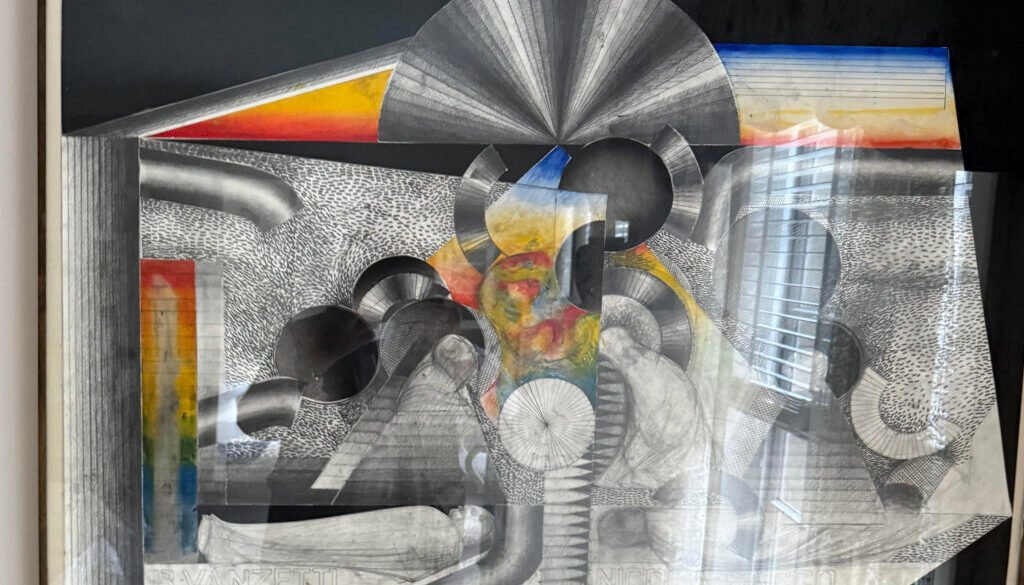
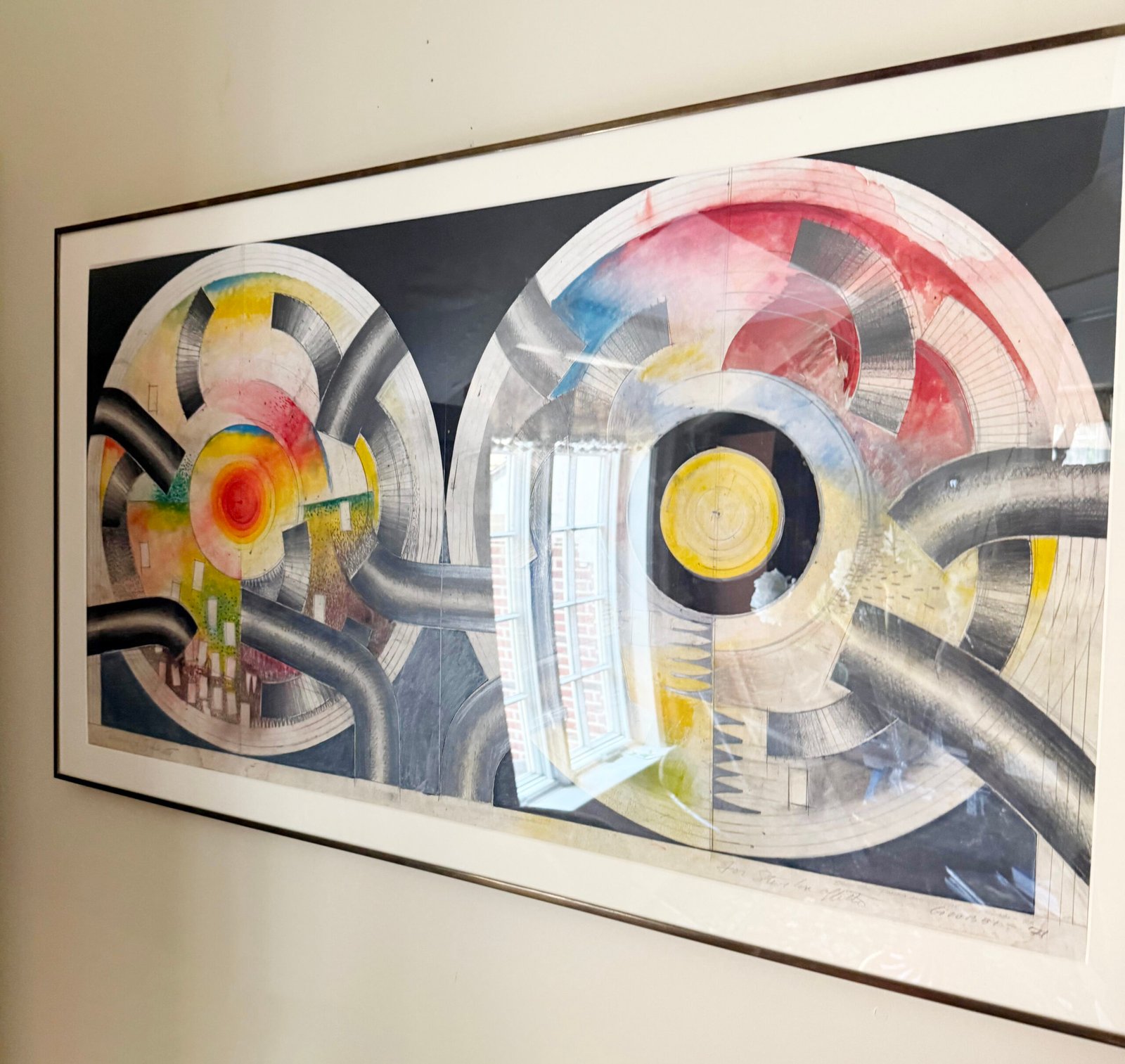
Here was an artist who spoke succinctly and showed everything. The shapes, colors and ideas of Giobbi were amongst my earliest artistic influences. Several works hung in prominent places in my childhood homes – “The Women of Katonah” over my family’s living room mantle, an architectural-style metal sculpture in a nook, a watercolor in the hall.
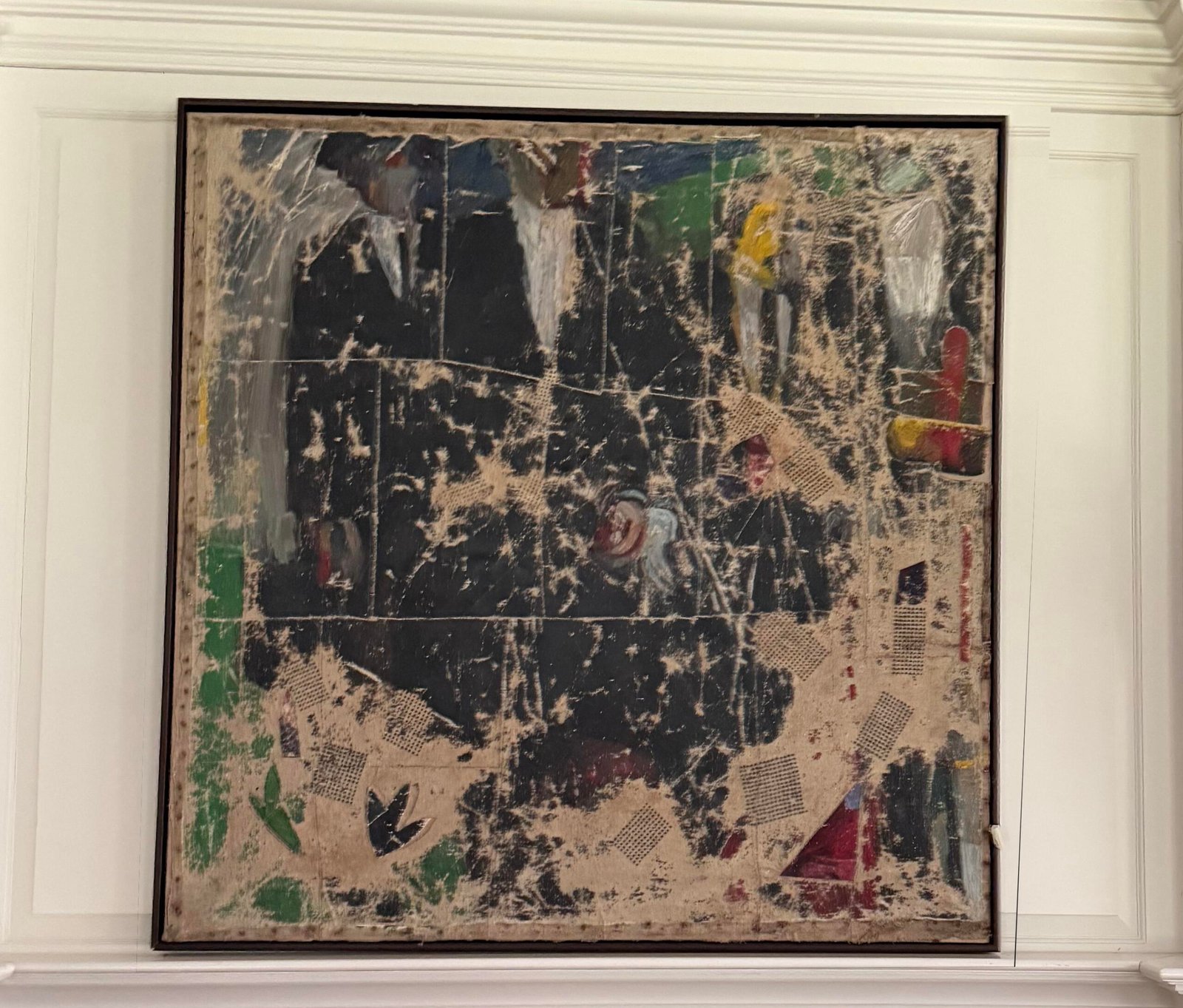
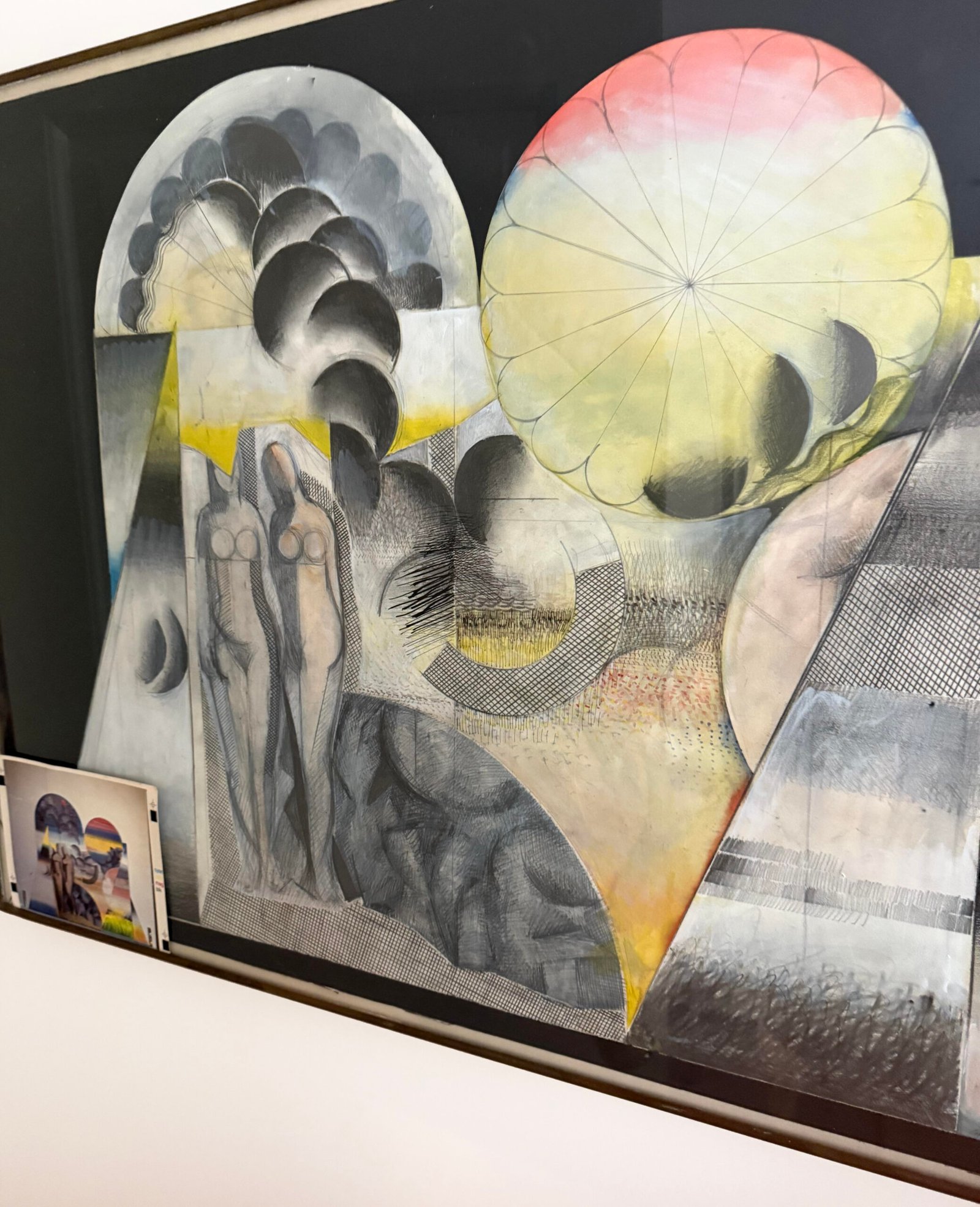
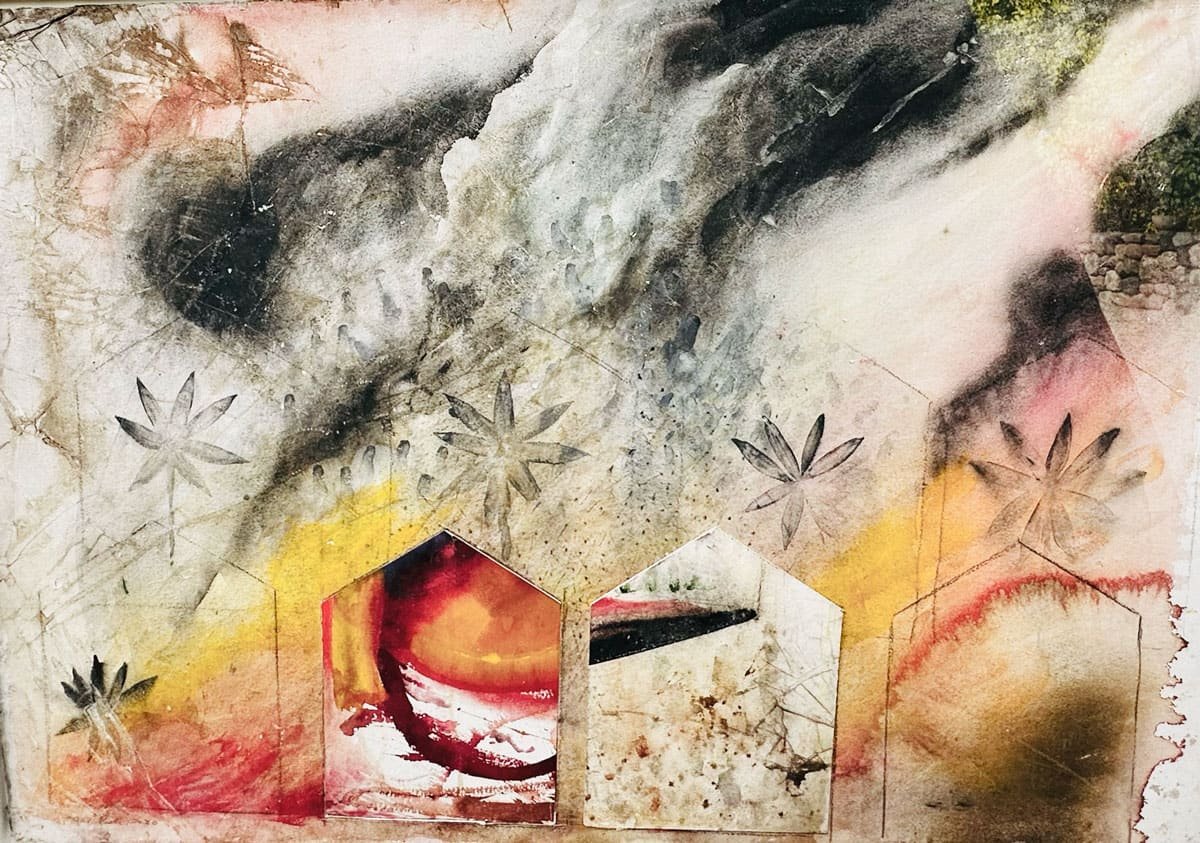
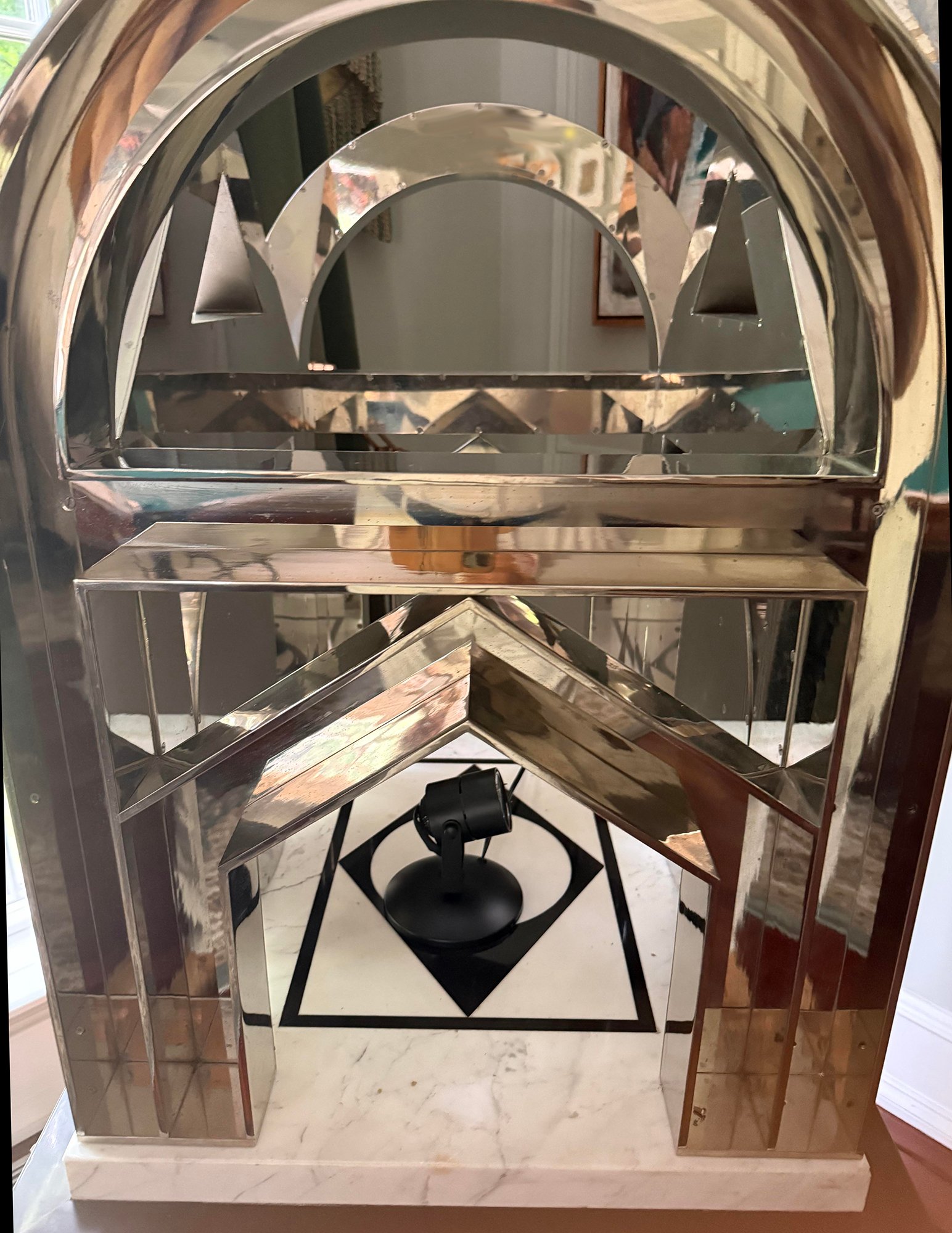
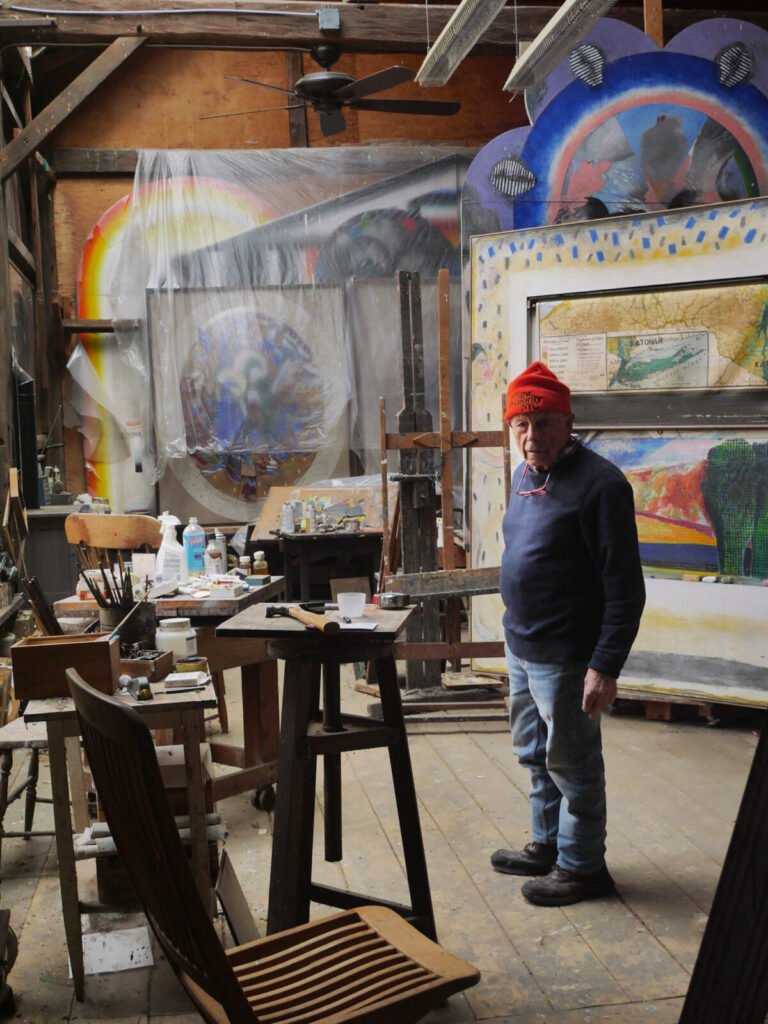
When I was 16, Giobbi hosted me for a brief internship with him at his barn studio. I was mesmerized, and expected to be put to hard work. Instead, we mostly chatted while doing some light organizing. Then it was lunchtime – which meant it was time to stop everything! He carefully prepared our lunch for two, explaining as he did the purpose of each ingredient and step. I learned far more than I worked, and unbeknownst to me at the time, I absorbed ideas that are fundamental to my work and practice today.
Giobbi authored several cookbooks, which were also features of my upbringing – recipes my mother used, and later I returned to as well. Special Sundays found us visiting the artist and his family (and chickens) in Katonah. When Giobbi cooked, it was simple and meaningful. Foods and eggs emerged from his huge garden and chicken roost, and onto his wooden kitchen surfaces, and into his dishes. He was bold, with the knife and the brush, decisive. After spending time with him, I came to think of him as a sort of Hemingway of visual artists, for his directness and his unfussy style. Recently, reading an interview with him, I learned that he aimed to seek the truth and therefore beauty. Truth was what you received in Giobbi’s presence.
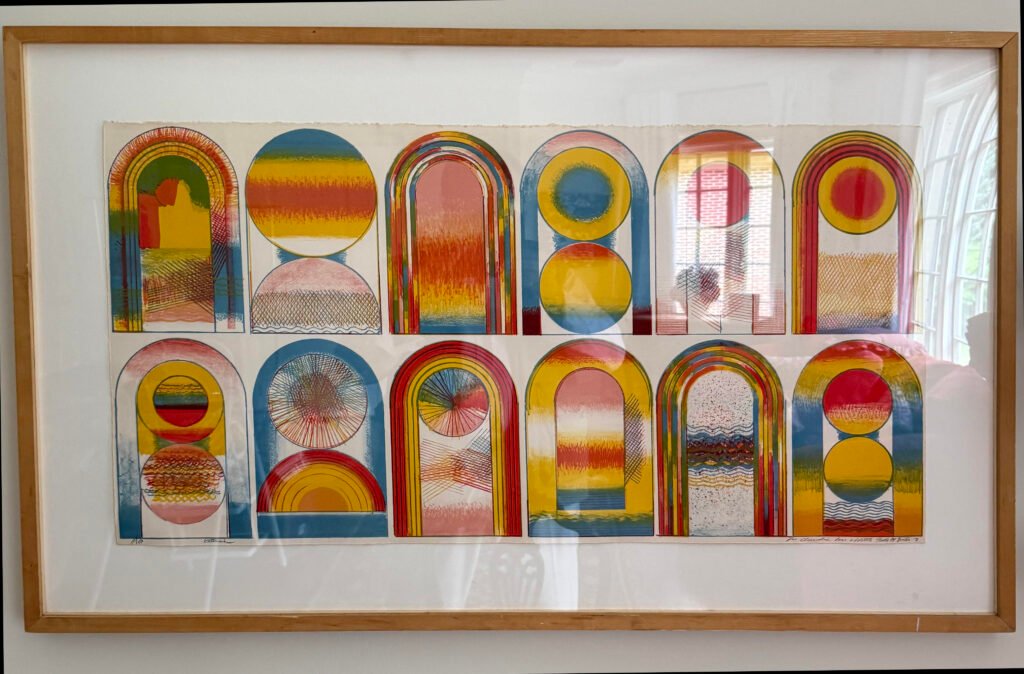
At 20, the artist hired me to design a book of his works, an honor I will not easily forget. Years later, we met in Rome for lunch – Armando’s and only there for Ed. His table was practically a fixture. Even though he hadn’t made the meal, he appreciated each ingredient and method, sharing it with me. I was still learning from this accidental maestro, a comment he would have pshawed – too fancy.
Many family meals and exchanges occurred over the years, and more artwork filled our homes. For my marriage, he gifted me the “12 seasons of Katonah” and wrote on the back, “Con affetto…”.
It is with great affetto in my heart that I bid Ed Giobbi adieu.